
TPO · EPDM · PVC · mod-bit
Flat & Single-Ply Roofing in Baton Rouge
System selection based on your building's drainage, traffic and rooftop equipment, not on whatever membrane the crew has on the truck.
- Commercial construction
- Based in Zachary, Louisiana
- Serving Greater Baton Rouge
Flat roofing
Choosing the membrane before choosing the price
Flat roofs in this climate fail at three places: the drains, the penetrations and the seams. Which membrane you should use depends on which of those your building stresses most. A restaurant with grease exhaust wants PVC, because TPO degrades on contact with animal fats. A building with heavy rooftop traffic and constant HVAC service wants a thicker membrane with walkway pads laid out to the units. A warehouse with long clear spans and ponding needs the drainage corrected before any membrane goes down.
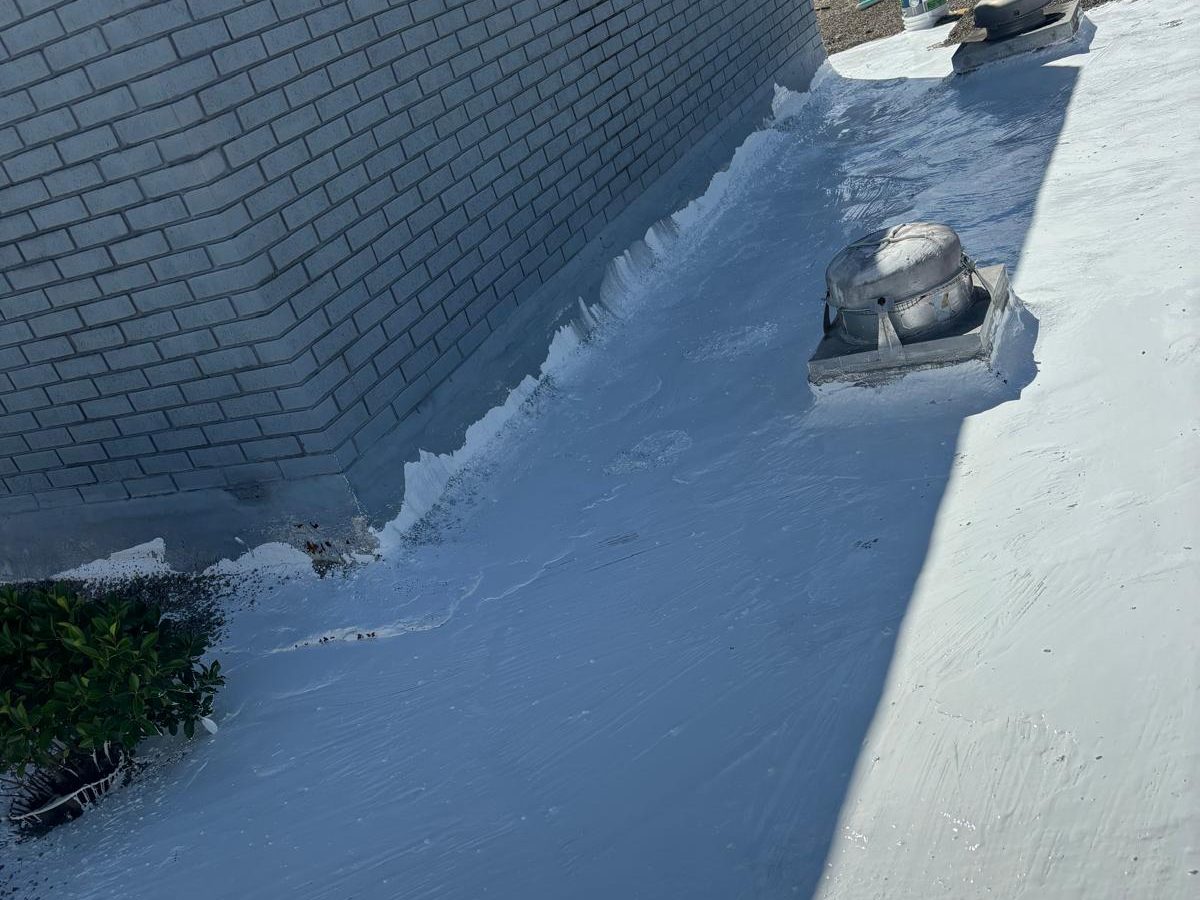
We spec TPO for most low-slope commercial work, EPDM where movement and ballast suit it, PVC where chemical or grease exposure is real, and modified bitumen on older assemblies where a torch or self-adhered cap sheet is the right repair. Silicone restoration coatings are a legitimate option on a sound substrate with a few years left, and a waste of money on a saturated one, which we will tell you after a core cut rather than after invoicing.
Every proposal names the membrane, thickness in mils, attachment method, insulation R-value, warranty term and who holds it. Bids that omit thickness and attachment are not comparable, and that is usually deliberate.
Systems
Roof systems to discuss
- TPO, 60 and 80 mil: most low-slope commercial roofs
- PVC: restaurants and grease or chemical exposure
- EPDM: ballasted and mechanically attached assemblies
- Modified bitumen: repairs and re-covers on existing mod-bit
- Silicone restoration coatings: sound substrate only, verified by core cut
- Tapered insulation to correct ponding and drainage
What's included
Every commercial proposal names
- Membrane type, manufacturer and mil thickness
- Attachment method, mechanically attached, adhered or ballasted
- Insulation type and R-value
- Core cut findings on the existing assembly
- Drain, scupper and penetration detail
- Warranty term and whether it is manufacturer or workmanship
- Agreed phasing, access, and protection for occupied buildings
Our process
How the work actually goes
- Step 1
Site survey and core cut
We measure, survey drainage and cut a core to see what is actually up there.
- Step 2
System recommendation
Two or three options priced side by side, with the trade-offs stated plainly.
- Step 3
Schedule around operations
Confirm access, phasing, temporary protection, and any operating restrictions before work is scheduled.
- Step 4
Install and warranty
Manufacturer inspection where applicable, then warranty documents to you.
Reviews
What customers actually say
Customer reviews of Redbird. Reviews may describe residential work.
The wedge
Leak now, budget later?
Call to discuss an active leak, current availability, and the requirements of your existing roof system.
Questions
Answers before you call
TPO for most buildings on cost and performance. PVC when there is grease or chemical exhaust on the roof, because those attack TPO. If a bidder does not ask what your rooftop exhaust does, they have not surveyed your roof.
Discuss your project
Tell Us About Your Project
Share your location, scope, and available plans so we can discuss the work you need covered.
Get a flat roof proposal you can actually compare.
Share your location, scope, and available plans with Redbird.